White Mold vs. Efflorescence:
Identification & Removal
Is that white powder on your basement wall toxic mold or just harmless salt? Use our photo gallery and the “Mist Test” to find out in 30 seconds.
Trusted Sources: Technical data provided by the International Association of Certified Home Inspectors (InterNACHI) and the EPA.
Homeowners panic when they see white fuzz growing on concrete or masonry. In more than 70% of basement cases, this substance is not biological at all—it is a crystalline salt deposit called Efflorescence.
However, “White Mold” (often species like Penicillium or Aspergillus) does exist and can look nearly identical to the naked eye. You must know the difference before you scrub.
1. Visual Identification Galleries
Compare the substance in your home to the reference galleries below. Hover over the images to enlarge the details.
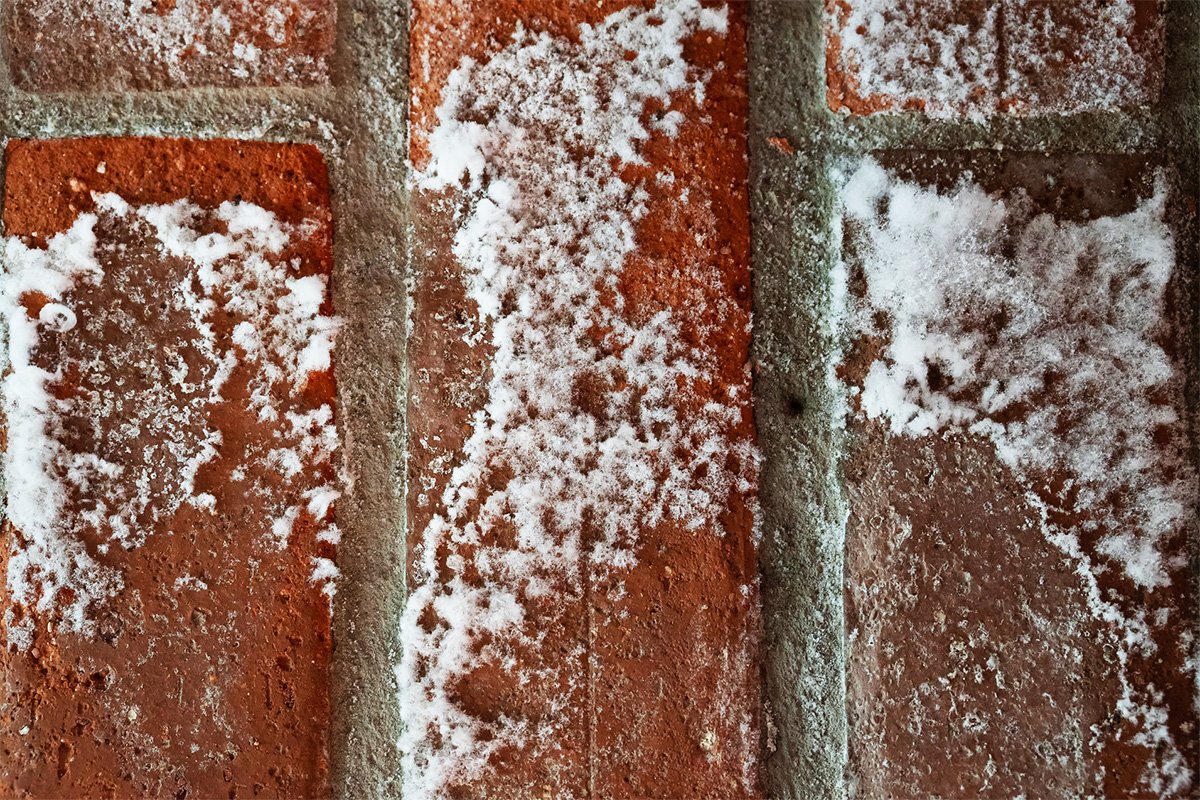
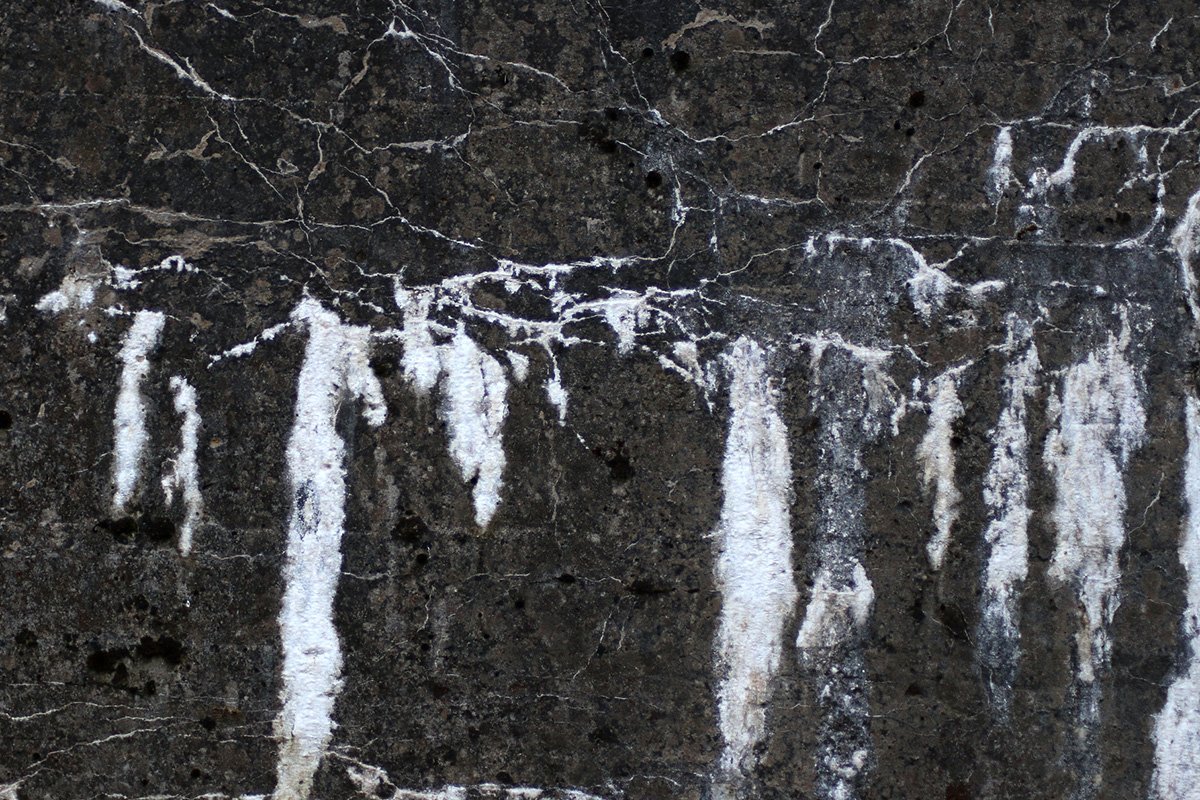
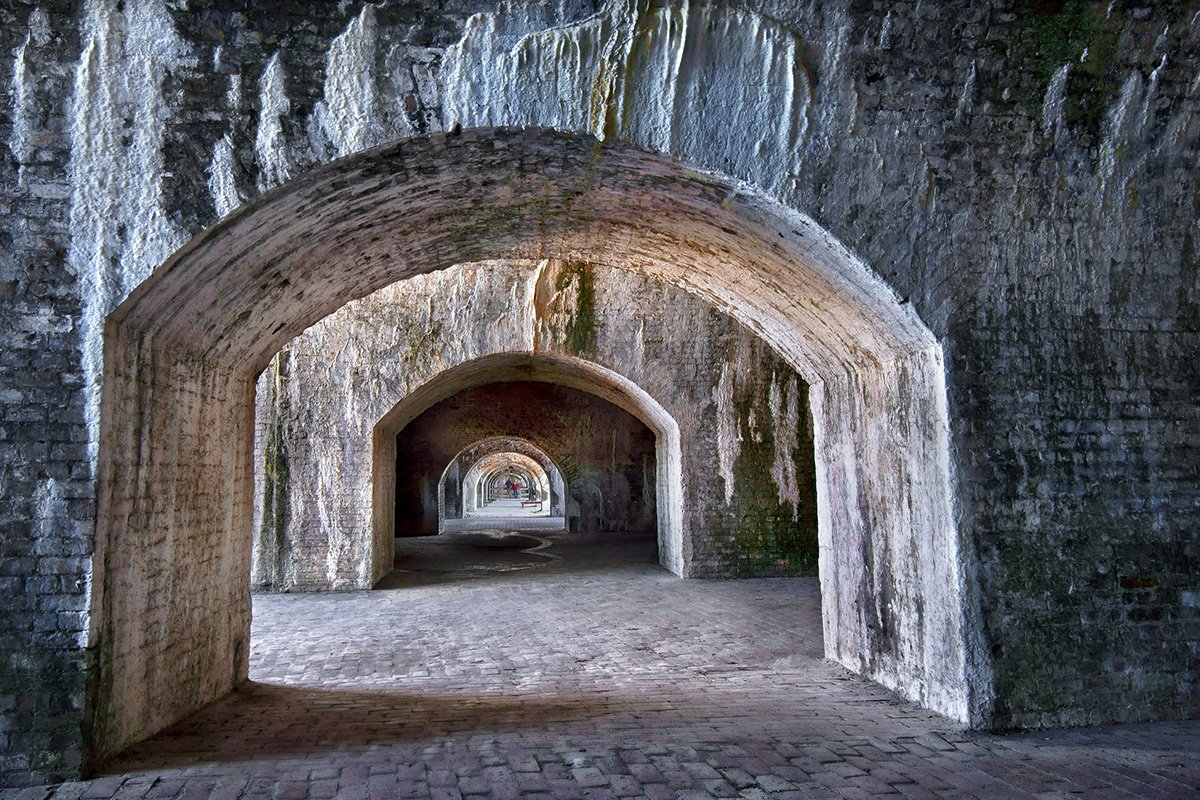
Gallery A: Efflorescence (Salt Deposits)
Usually found on brick, concrete, or stone. Looks crystalline, powdery, or chalky.
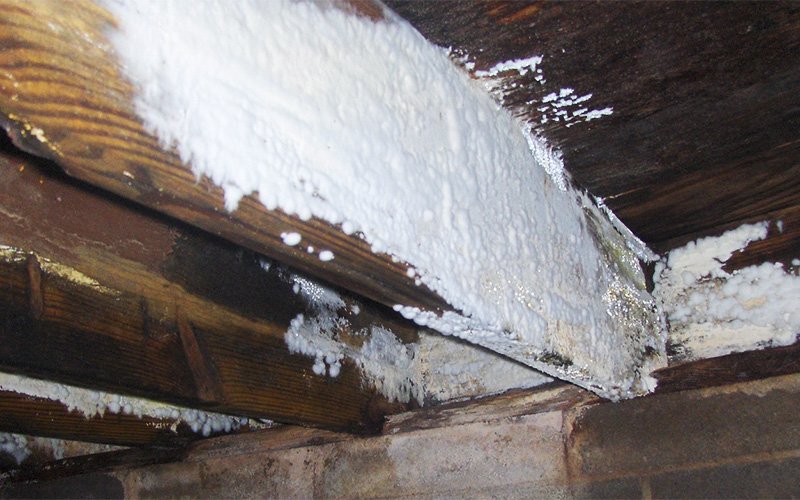
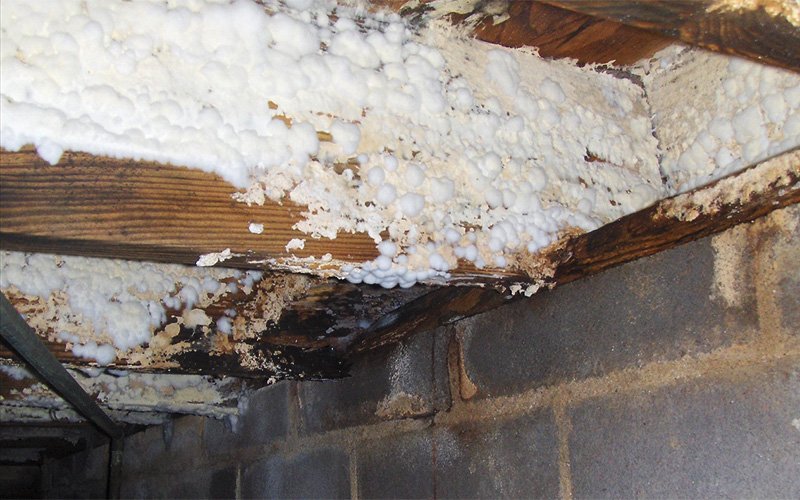
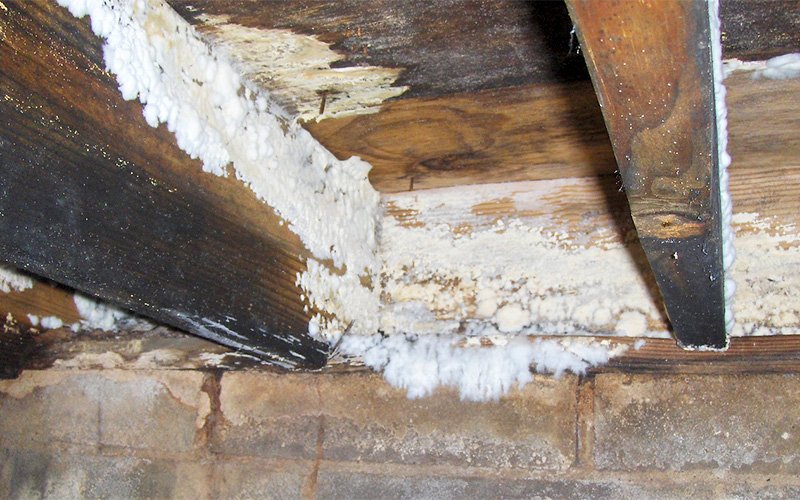
Gallery B: White Mold (Fungus)
Usually found on organic materials like wood joists, cardboard, or drywall backing. Looks fuzzy or cotton-like.
2. The “Mist Bottle” Test
You don’t need a lab to tell the difference. You need a spray bottle filled with water.
Step 1: Spray the white substance with water.
If it DISSOLVES: It is Efflorescence (Salt).
Why? Salt is water-soluble. It disappears into the wet surface.
If it STAYS: It is Mold.
Why? Fungi are biological. Water will just bead up on the fuzzy surface or make it wet, but it won’t disappear.
“If I walk into a basement and see white powder on the concrete floor, I check the texture. If it crumbles into a fine powder between my fingers (like chalk), it’s salt. If it feels soft, slimy, or damp, it’s biological growth. Never touch suspect mold without gloves!”
3. Comparison Matrix
| Feature | Efflorescence | White Mold |
|---|---|---|
| Material | Masonry, Brick, Concrete. | Wood, Drywall, Paper, Cloth. |
| Reaction to Water | Dissolves | Repels / Absorbs |
| Smell | None (Odorless). | Musty / Earthy smell. |
| Cause | Moisture moving through masonry. | High Humidity (>60%) + Organic Food. |
| Health Risk | None (Cosmetic). | Allergenic / Respiratory. |
4. How to Remove Efflorescence
If the test confirmed it is salt, you do not need expensive remediation. You can clean it yourself.
- Scrub: Use a stiff wire brush to knock the crystals off.
- Vinegar Solution: A 50/50 mix of white vinegar and water helps dissolve stubborn deposits.
- Stop the Water: The salt is a symptom. The disease is water seepage. Check your gutters and downspouts.