The slimy pink film in your shower isn’t actually mold. Why bleach won’t kill it permanently and how to stop it from returning.
The scientific name is Serratia marcescens. It is an airborne bacterium that thrives in damp environments. The “pink” color comes from a pigment it produces called prodigiosin.
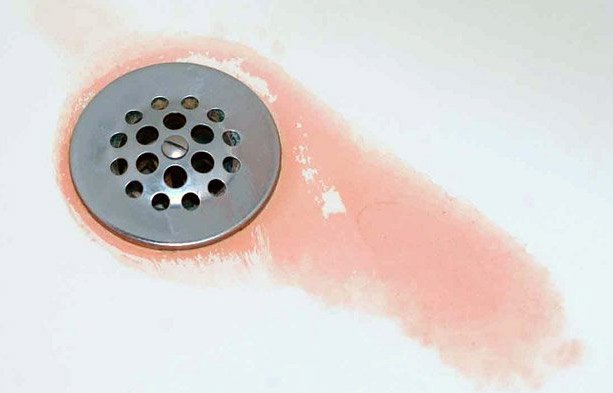
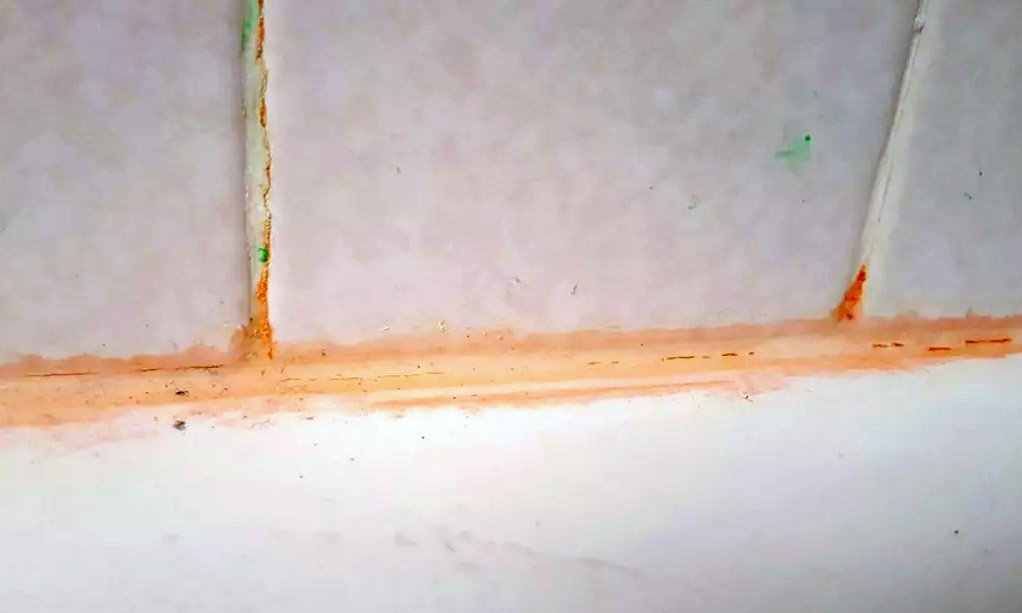
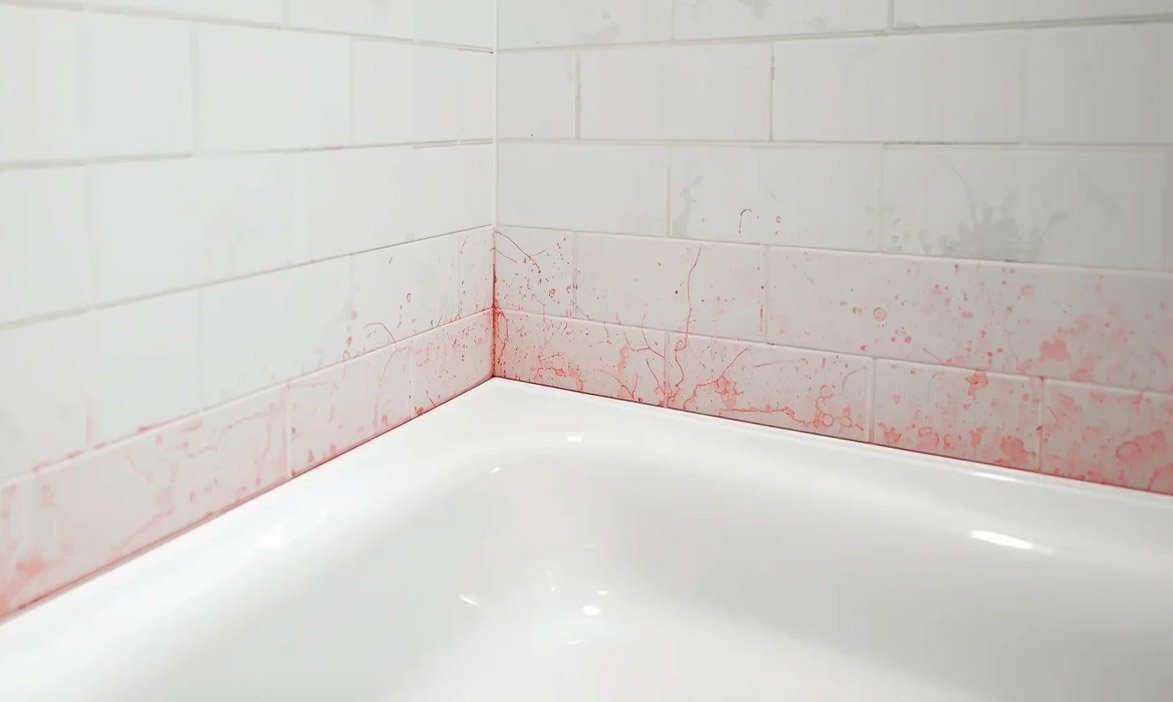
(Often found on grout, shower curtains, and water fixtures)
1. Why Does it Eat Soap?
You clean your shower, but the pink slime returns in 3 days. Why?
Serratia marcescens feeds on fatty substances and phosphorus.
Bar soaps and shampoos contain animal fats or vegetable oils. When mixed with hard water, they leave a film (scum) that is an “all-you-can-eat buffet” for this bacteria.
If you see a pink ring in your toilet bowl, the bacteria is feeding on biological waste in the water. It is airborne, so it floats from the toilet to the shower curtain.
2. Health Risks
While not “toxic” like black mold, Serratia is a human pathogen. It is notorious in hospitals for causing hospital-acquired infections (HAIs).
- Open Wounds: Do not shower with an open cut if pink slime is present. It can cause aggressive wound infections.
- Eyes: Can cause conjunctivitis (pink eye) if contact lenses are handled in a contaminated bathroom.
- UTIs: Known to cause urinary tract infections.
3. How to Kill It (Enzymes vs. Bleach)
Most people spray bleach on it. The color disappears, but the slime returns. Why?
Bleach strips the pink pigment (color) but often fails to penetrate the bacterial biofilm. To actually kill it, you need to remove the food source.
- Scrub First: You must physically scrub the soap scum off the tile/grout.
- Use Enzymes: Use a cleaner with mild abrasive (like baking soda) or enzymatic bathroom cleaners to digest the fatty soap residue.
- Disinfect: After cleaning the scum, use a disinfectant (Bleach solution or Vinegar) to kill the remaining bacteria.
4. Prevention: The Squeegee Rule
The bacteria cannot survive without moisture. The single most effective way to stop pink mold is to dry the shower walls immediately after use.
Keep a $5 rubber squeegee in the shower. Taking 30 seconds to wipe the water off the tiles removes the moisture and the food source.
5. Common Hiding Spots
Aside from the shower grout, check these areas:
- Pet Water Bowls: The slime loves the saliva/water mix. Wash bowls daily in the dishwasher.
- Toothbrush Holders: Dark, damp, and full of residue. A prime breeding ground.
- Humidifiers: If you see pink in your humidifier tank, you are pumping bacteria into the air you breathe. Disinfect immediately.