The 3 Hazard Classes of Indoor Mold
In Environmental Medicine, we do not treat all molds equally. We categorize them into three Hazard Classes based on their ability to produce mycotoxins, their allergenicity, and their structural impact.
Rapid ID by Color
While lab testing is required for species confirmation, color is the first indicator of the mold’s food source and toxicity potential.
Could be Toxic Stachybotrys OR harmless Cladosporium. Requires “Texture Test.”
Usually Basidiospores (Wood Rot) or early-stage Penicillium. Indicates high humidity.
Likely Serratia marcescens (Bacteria) or Aureobasidium. Common in showers and toilets.
Classic Penicillium (Bread Mold) or Aspergillus. Common on food and damp walls.
Hazard Class A: Toxic (Hazardous)
Status: Immediate Remediation Required.
These molds produce mycotoxins (neurotoxins) that can be absorbed through the skin, inhalation, or ingestion. They are rarely found in nature and require “chronic wetness” (leaks lasting >7 days) to grow indoors.
Stachybotrys chartarum (Toxic Black Mold)
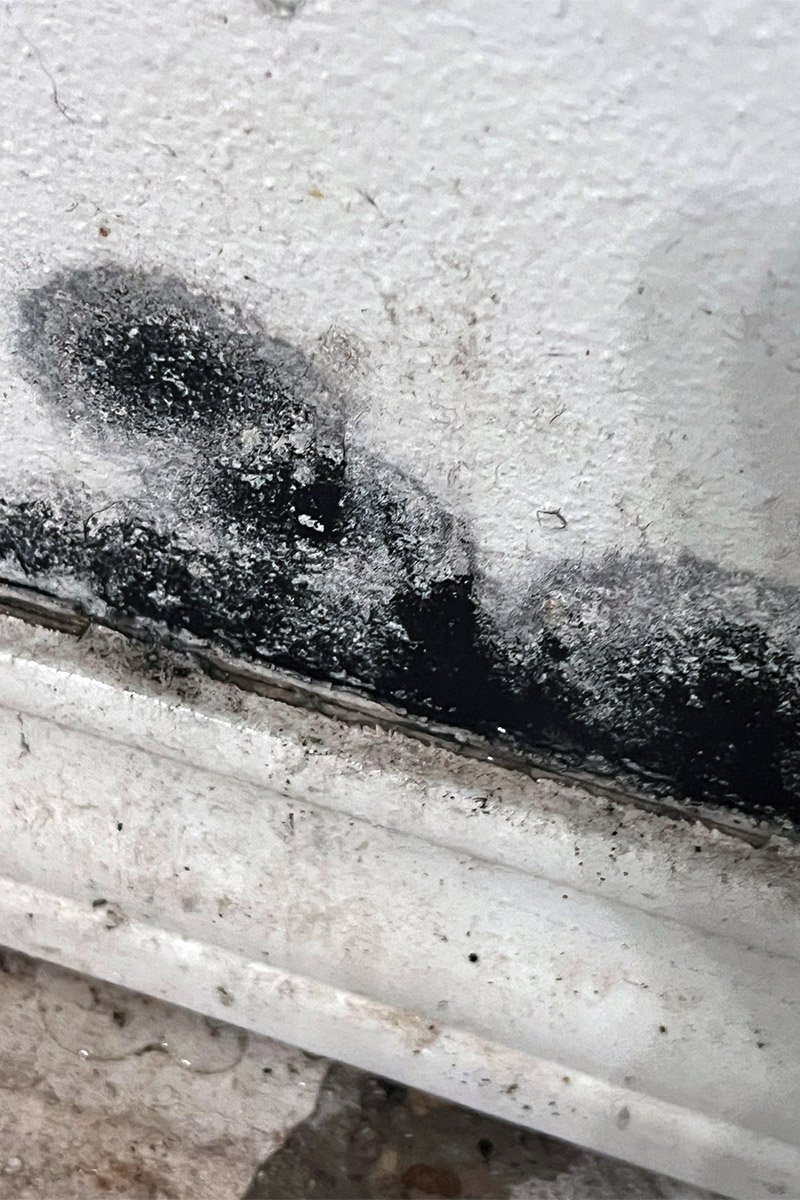
Correct Identification: Note the wet, slimy texture on paper-faced drywall.
Visual Profile
Color: Jet Black (Oil-like).
Texture: Slimy, wet, or shiny when active. Powdery only when dead.
The Substrate Rule: Only eats Cellulose (Paper, Wood, Drywall, Cardboard). It cannot grow on tile, grout, glass, vinyl, or concrete.
Health Symptoms
- Cognitive brain fog & memory loss.
- Chronic fatigue.
- Nosebleeds (hemorrhage) in infants.
- Severe respiratory suppression.
Chaetomium
Often found alongside Stachybotrys, this is the “Indicator Mold” for structural rot. It smells distinctly like musty soil.
Where to look: It loves the dark side of drywall (inside the wall cavity), wet carpets, and baseboards.
Hazard Class B: Allergenic (Common)
Status: Sanitation & Ventilation Issue.
These are the “Imposters.” They are the most common molds on Earth. While they can cause severe asthma attacks and sinusitis, they do not produce the neurotoxins associated with Class A molds. They typically indicate a humidity problem, not a pipe leak.
🕵️Cladosporium (The “Window” Mold)
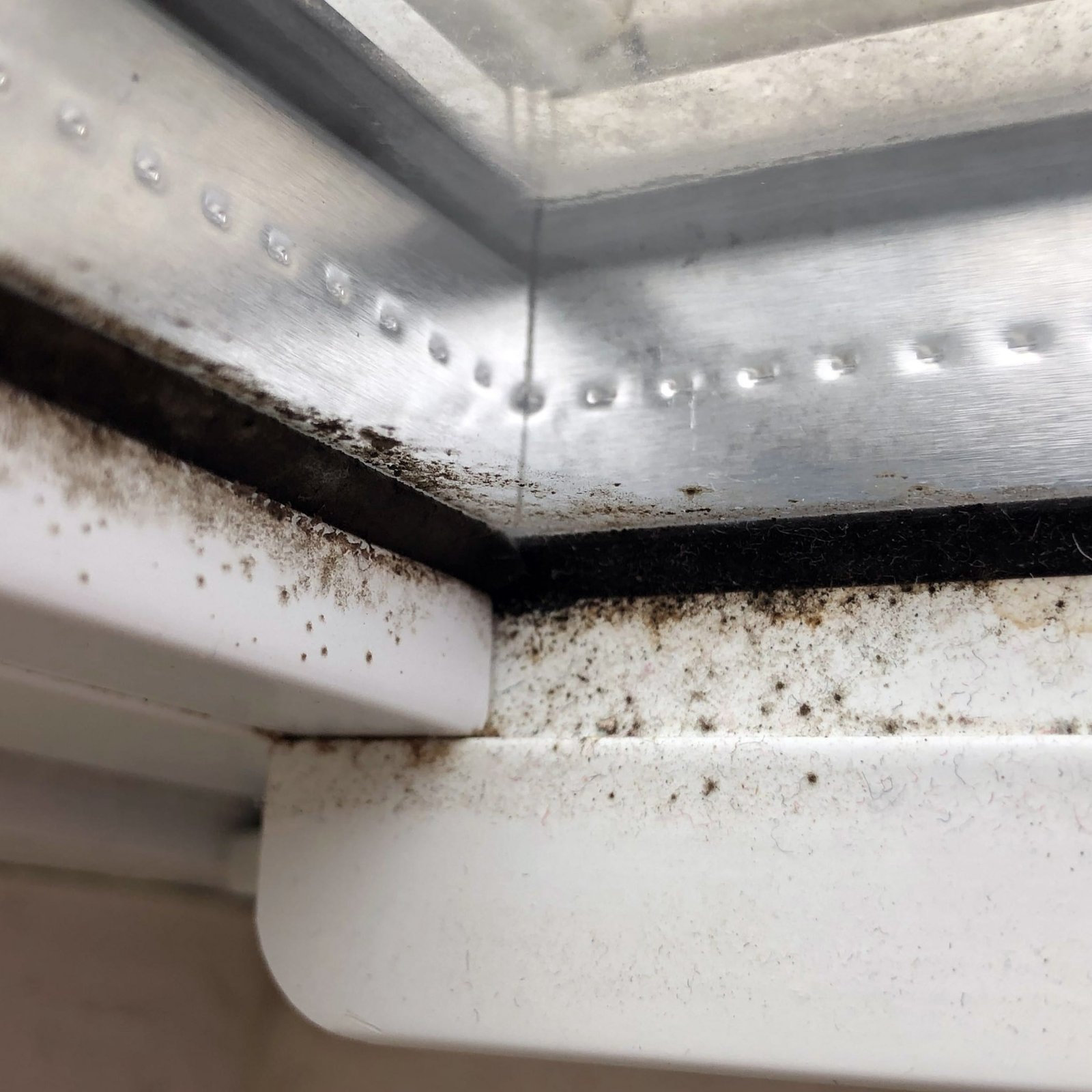
Visual Profile
Color: Black, Green, or Brown.
Texture: Powdery, suede-like, or fuzzy.
Where it Grows: Non-porous surfaces (Windows, AC Vents, Tile, Painted Walls) where condensation forms.
Health Symptoms
- Asthma attacks.
- Watery eyes / Hay fever.
- Sinus pressure.
- Skin rash.
Aspergillus / Penicillium
The “Shape Shifter.” This is the most common indoor fungus. It can be gold, green, white, or black.
Common Form: Aspergillus niger is the black “pepper-like” mold found on shower grout and old onions.
Risk: High risk for those with weakened immune systems (Aspergillosis), but generally manageable for healthy adults.
Hazard Class C: Cosmetic (Surface)
Status: Aesthetic Issue.
These fungi stain materials but do not release significant spores into the air and are not considered a human health hazard.
Ceratocystis (Blue Stain)
The “Lumber Tattoo.” If you see black or blue streaks inside the wood framing of your attic or basement, this is usually Blue Stain Fungi.
The Fact: It infected the tree before it was cut down. It is dead and does not compromise the structural integrity of the wood, nor does it affect air quality.
The “Timeline Rule”: When Did the Leak Start?
Mold growth speed tells you the history of the water damage. Use this to determine if a leak is new or chronic.
| Growth Speed | Likely Species | Water Source |
|---|---|---|
| 24 – 48 Hours (Fast Colonizers) |
Penicillium, Aspergillus | Recent spill, high humidity, or condensation event. |
| 3 – 5 Days (Mid-Stage) |
Cladosporium, Alternaria | Ongoing dampness or slow leak (e.g., under sink). |
| 8 – 12 Days (Tertiary Colonizers) |
Stachybotrys, Chaetomium | Long-term saturation. Indicates a leak hidden inside a wall cavity for weeks. |
Medical Disclaimer: The “Mycotoxin” Reality
Not everyone reacts to mold the same way. 25% of the population has a genetic gene (HLA-DR) that prevents them from detoxing mycotoxins efficiently. For these individuals, even Class B “Allergenic” molds can cause severe, chronic inflammatory response syndrome (CIRS). Always consult a doctor if symptoms persist.